
What Are Some Things I Can Do For Plumbing Maintenance?
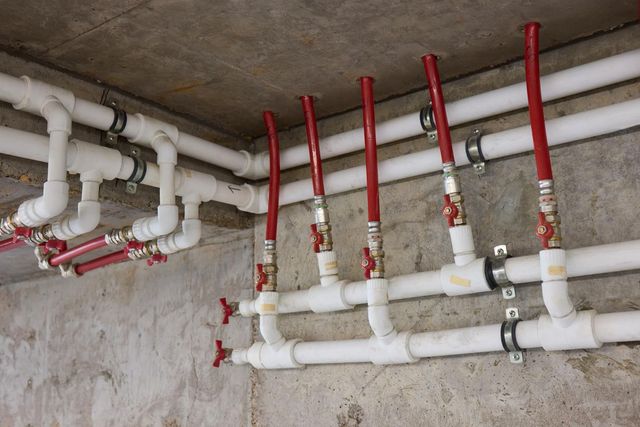
Homeowners seeking plumbing maintenance guidance often wonder about drain cleaning and do-it-yourself approaches. While professional plumber visits prove beneficial, homeowners can take preventative steps to avoid costly repairs.
Since plumbing repairs range from hundreds to thousands of dollars, proactive maintenance matters. Many tasks homeowners can handle independently without professional intervention.
Investigating Potential Leaks
Early leak detection proves essential. Unaddressed leaks can waste up to 10,000 gallons of water before resolution. Check your water meter after no one uses water for one to two hours. If readings change, a leak exists somewhere.
Examine all visible plumbing components for obvious leakage signs. Inspect basements and crawl spaces for mold or puddles. Check water-using appliances like washing machines, dishwashers, and toilets. Add food coloring drops to toilet tanks and wait approximately one hour. If coloring reaches toilet water, the flush seal requires replacement.
Test the Shut-Off Valves and Water Pressure
Test shut-off valves yearly for each fixture. Replace leaking or difficult-to-turn valves. If water pressure malfunctions, consult a professional plumber, as corrosion or clogs typically require expert handling.
Checking the Water Heater and Plumbing System
While professional assistance is recommended, homeowners should check for leakage signs around water heater units. Puddles or moisture indicate replacement necessity. Ensure all plumbing system components are properly insulated for increased energy efficiency.
Avoiding Common Mistakes
Don’t allow excessive debris down drains—use drain covers in every sink and tub. Keep tough foods out of garbage disposals, including grease, fat, pasta, bread, rice, shells, bones, tough meat, and potato peels. Clean showerheads regularly with vinegar to dissolve mineral buildup, and prevent pipe freezing by insulating exposed lines before the first hard freeze. Clean drains consistently with hot water and a monthly baking-soda flush.
Build a Simple Seasonal Routine
The easiest way to stay ahead of plumbing problems in Colorado Springs is a short seasonal checklist. In the spring, walk the yard after snowmelt and look for soggy patches over your sewer lateral — that’s often the first sign of a cracked or root-invaded line. In the summer, test outdoor spigots and hose bibs for drips. In the fall, disconnect garden hoses, drain irrigation lines, and confirm your main shutoff valve turns freely before temperatures drop. In the winter, keep interior cabinet doors under sinks slightly open during cold snaps so warm air can reach the pipes running along exterior walls.
When To Call a Professional
DIY maintenance handles the small stuff, but call an experienced plumber when you notice slow drains in multiple fixtures at once, gurgling toilets, low water pressure across the whole house, or a rotten-egg smell near drains — these are early symptoms of a bigger sewer or venting issue that only a camera inspection and proper cleaning can confirm. Catching those signs early turns a routine service call into a smart investment instead of an emergency repair bill.